Cats and Dogs as Sentinel Species for Mold Exposure
Updated: March 2026 | Reviewed by Bob Richards, MRSR 1220, MRSA 1068
In Florida markets like Clearwater, St. Petersburg, and the Greater Tampa Bay area, pets often serve as the first indicator of a hidden mold issue. Because they spend the majority of their time closer to the floor and baseboards—where moisture intrusion and spore settling occur—cats and dogs exhibit physiological symptoms of low-level exposure before humans do.
Mycotoxin Ingestion and Respiratory Risk
Pets face a dual-threat from indoor mold proliferation: inhalation of airborne spores and direct ingestion. Cats and dogs routinely groom surfaces, walk on contaminated flooring, and sleep near HVAC vents or damp baseboards. This behavior dramatically increases their mycotoxin ingestion risk compared to adult humans.
Species-Specific Vulnerabilities
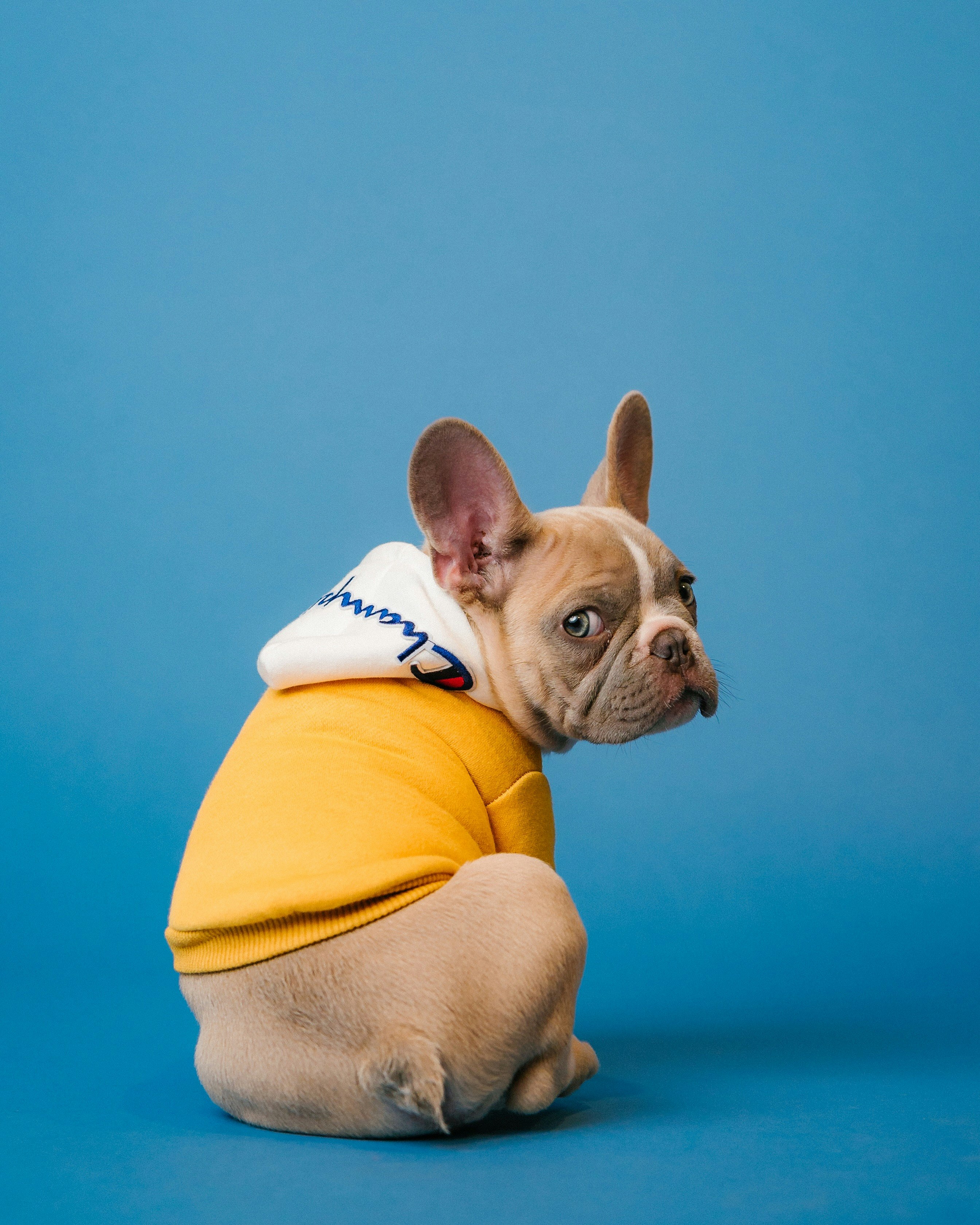
- Brachycephalic Dogs: Breeds with shortened snouts (Pugs, French Bulldogs, Boxers) already face compromised airways. Airborne mold spores exacerbate their baseline respiratory distress, leading to severe wheezing and rhinitis.
- Avian Sensitivity: Birds possess highly efficient respiratory systems that make them acutely sensitive to airborne particulates. In Florida's high exotic pet ownership demographic, avian respiratory failure is a critical indicator of toxic indoor air quality.
- Feline Asthma: Cats are particularly prone to developing allergic bronchitis (feline asthma) when exposed to allergenic molds like Cladosporium.
Post-Remediation Air Clearance Before Re-Occupancy
Veterinary referral is required when pets exhibit lethargy, chronic scratching, or respiratory distress. However, medical intervention will fail if the pet is returned to a contaminated environment. Post-remediation air clearance testing must verify that indoor spore counts have dropped below outdoor baseline levels before immunocompromised or sensitive pets return to the home.